
Introduction to Homemade Dish Soap
In today’s world, more people are becoming conscious of what they use in their homes—especially when it comes to cleaning products. Traditional dish soaps often contain harsh chemicals, artificial fragrances, and additives that may not only harm your skin but also impact the environment. This has led to a growing interest in homemade dish soap as a natural, cost-effective, and eco-friendly alternative.
Homemade dish soap allows you to take control of the ingredients you use, ensuring safety for your family while maintaining effective cleaning performance. Whether you want to reduce toxins, save money, or adopt a sustainable lifestyle, making your own dish soap is a practical and rewarding solution.
Why Choose Homemade Dish Soap?
One of the main reasons people switch to homemade dish soap is the desire to eliminate harmful chemicals from their homes. Store-bought options often contain sulfates, parabens, and synthetic dyes that can irritate sensitive skin.
Homemade alternatives use natural ingredients that are gentle yet powerful. Additionally, they reduce plastic waste since you can reuse containers instead of buying new bottles regularly. Over time, this small change contributes significantly to environmental conservation.
Cost savings are another major advantage. Most homemade dish soap recipes use affordable ingredients like baking soda, vinegar, and liquid castile soap, making it much cheaper than commercial products.
Key Ingredients for Homemade Dish Soap
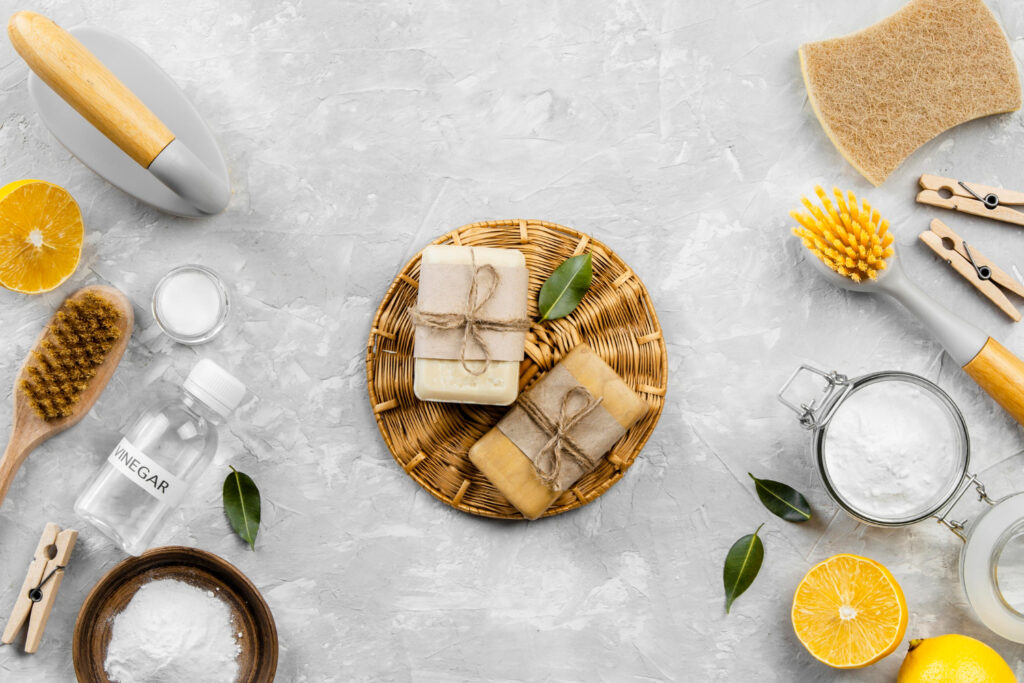
Creating an effective homemade dish soap requires a few simple yet powerful ingredients. Each ingredient plays a specific role in cleaning, degreasing, and maintaining hygiene.
Liquid castile soap is often the base ingredient. It is plant-based, biodegradable, and gentle on hands while still effective at cutting grease.
Baking soda acts as a mild abrasive, helping to remove stubborn food particles and stains without scratching dishes.
White vinegar is known for its antibacterial properties and helps dissolve grease and eliminate odors.
Essential oils, such as lemon or tea tree oil, add natural fragrance and enhance cleaning power due to their antimicrobial properties.
Water is used to dilute and combine the ingredients into a usable liquid form.
Simple Homemade Dish Soap Recipe
Making your own dish soap at home is easier than you might think. With just a few steps, you can create a highly effective cleaning solution.
Start by mixing one cup of liquid castile soap with one-quarter cup of baking soda. Slowly add one tablespoon of white vinegar while stirring gently to avoid excessive fizzing. Then add about ten drops of your favorite essential oil for fragrance and antibacterial benefits.
Finally, dilute the mixture with one cup of warm water and pour it into a reusable bottle. Shake gently before each use to ensure all ingredients are well combined.
This simple recipe creates a powerful dish soap that can handle everyday cleaning tasks while being safe for your skin and the environment.
Benefits of Using Natural Ingredients
Homemade dish soap offers several benefits that go beyond just cleaning dishes. One of the most noticeable advantages is skin friendliness. Many people experience dryness or irritation from commercial dish soaps, but natural ingredients are much gentler.
Another benefit is environmental safety. Natural ingredients break down easily and do not pollute water systems, making them a responsible choice for eco-conscious households.
You also gain full transparency over what goes into your cleaning products. This is particularly important for families with children or individuals with allergies.
How Homemade Dish Soap Compares to Store-Bought Options
While commercial dish soaps are designed for maximum convenience and heavy-duty cleaning, homemade versions can be just as effective when used correctly.
Homemade dish soap may produce fewer bubbles, but that does not mean it is less effective. Foam is often added artificially in commercial products and does not necessarily indicate cleaning power.
In terms of grease-cutting ability, recipes that include castile soap and vinegar perform exceptionally well. For heavily greasy dishes, you may need to use slightly more product or soak dishes longer.
Overall, homemade dish soap provides comparable results without the drawbacks of chemical exposure and environmental harm.
Customizing Your Homemade Dish Soap
One of the best aspects of making your own dish soap is the ability to customize it according to your needs.
If you prefer a stronger degreasing effect, you can increase the amount of baking soda or add a small amount of washing soda.
For a pleasant scent, experiment with different essential oils such as lavender, orange, or eucalyptus.
If you have sensitive skin, you can reduce the amount of vinegar and use soothing ingredients like aloe vera gel.
Customization allows you to create a product that perfectly suits your preferences while maintaining effectiveness.
Tips for Best Results
To get the most out of your homemade dish soap, it is important to follow a few simple tips.
Always shake the bottle before use to ensure ingredients are evenly distributed.
Use warm water when washing dishes, as it helps break down grease more effectively.
For tough stains or dried food, allow dishes to soak for a few minutes before scrubbing.
Store your dish soap in a cool, dry place and use it within a few weeks for best results.
These small adjustments can make a big difference in the performance of your homemade solution.
Common Mistakes to Avoid
While making homemade dish soap is simple, there are a few common mistakes that can affect its effectiveness.
Using too much vinegar can weaken the soap’s cleaning ability and create an overly strong smell.
Not mixing ingredients properly may cause separation, leading to inconsistent results.
Adding too many essential oils can irritate the skin instead of providing benefits.
Avoiding these mistakes ensures your dish soap remains effective and pleasant to use.
Is Homemade Dish Soap Safe?
Safety is one of the main reasons people choose homemade dish soap. When made with natural ingredients, it is generally safe for everyday use.
However, it is still important to test the product on your skin if you have sensitivities. Essential oils, while natural, can sometimes cause reactions in certain individuals.
Always store your homemade dish soap out of reach of children and label the container clearly to avoid confusion.
By taking these precautions, you can enjoy a safe and effective cleaning solution.
Environmental Impact of Homemade Dish Soap
Switching to homemade dish soap is a small change that can have a big impact on the environment.
Commercial cleaning products often contain chemicals that can harm aquatic life when they enter water systems. In contrast, natural ingredients are biodegradable and eco-friendly.
Additionally, making your own dish soap reduces plastic waste, as you can reuse bottles instead of constantly buying new ones.
This eco-conscious choice contributes to a healthier planet while maintaining a clean home.
Conclusion
Homemade dish soap is an excellent alternative to commercial products, offering a natural, safe, and cost-effective solution for everyday cleaning. With simple ingredients and easy preparation, you can create a powerful cleaner that protects your health and the environment.
By switching to homemade dish soap, you take a step toward a more sustainable lifestyle while enjoying the benefits of chemical-free cleaning. Whether you are motivated by health concerns, environmental awareness, or cost savings, this simple change can make a meaningful difference in your daily life.
Start making your own homemade dish soap today and experience the satisfaction of a cleaner, greener home.
Also Read: Best Deck Builders: The Ultimate Guide to Building Powerful and Winning Decks