
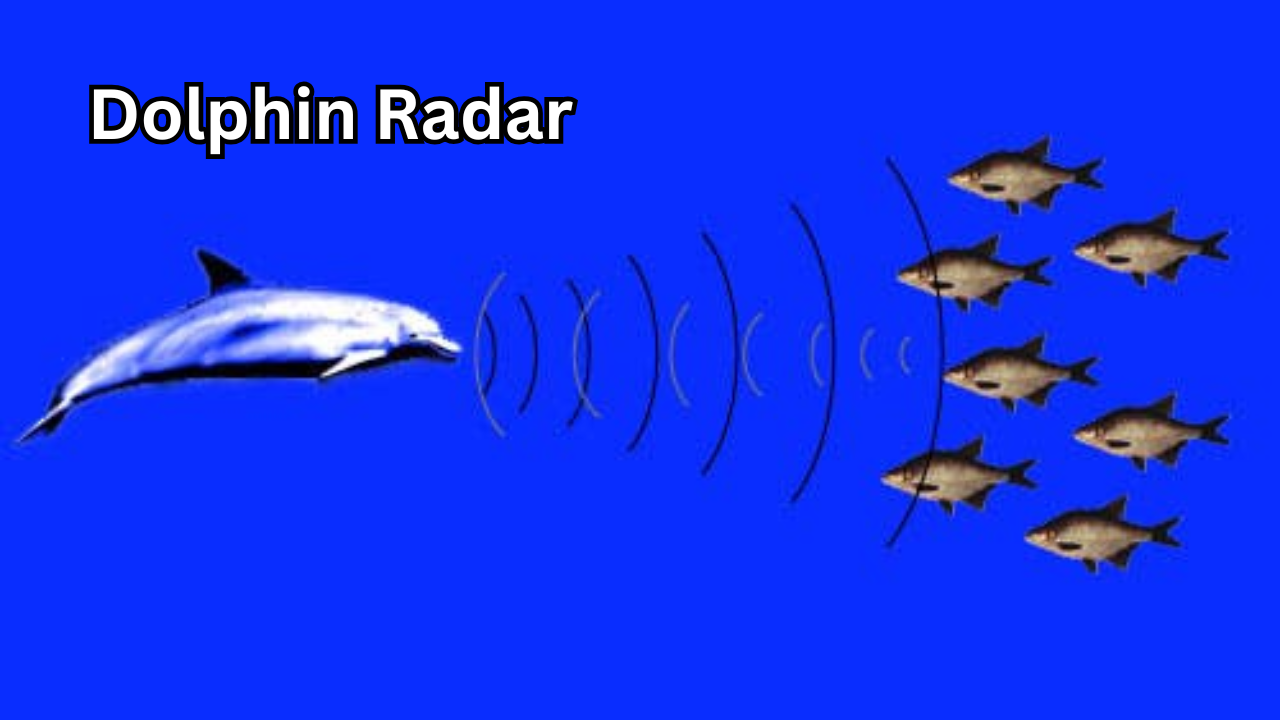
Dolphins are among the most intelligent and fascinating creatures in the ocean. One of their most remarkable abilities is something often referred to as “dolphin radar.” While it’s not radar in the human technological sense, dolphins use a biological system called echolocation, which works in a similar way—allowing them to “see” with sound.
In this article, we’ll explore how dolphin radar works, why it’s so powerful, and how it compares to human-made systems like Radar. Whether you’re a student, researcher, or just curious, this guide will give you a clear and engaging understanding of this incredible natural ability.
What Is Dolphin Radar?
The term “dolphin radar” is commonly used to describe the echolocation ability of dolphins. Scientifically, this ability is tied to the species known as Dolphin, which belongs to the family of marine mammals called cetaceans.
Instead of using radio waves like traditional radar, dolphins emit high-frequency sound waves. These sounds travel through water, bounce off objects, and return as echoes. By interpreting these echoes, dolphins can determine:
- The size of an object
- Its shape and texture
- Distance and direction
- Movement and speed
This system allows dolphins to navigate dark or murky waters where visibility is limited.
How Dolphin Echolocation Works
Dolphin echolocation is a highly advanced biological process. It involves several specialized body parts working together seamlessly.
Key Components of Dolphin Radar
- Melon (forehead organ): Focuses and directs sound waves
- Blowhole area: Produces clicking sounds
- Lower jaw: Receives returning echoes
- Brain: Processes the sound data into a “mental image”
Step-by-Step Process
- The dolphin emits a series of clicks
- Sound waves travel through water
- Waves hit objects and bounce back
- Echoes are received through the jaw
- The brain interprets the signals instantly
This entire process happens in milliseconds, making dolphins incredibly efficient hunters and navigators.
Dolphin Radar vs Human Radar
Although dolphin echolocation and human radar serve similar purposes, they operate very differently. Here’s a simple comparison:
| Feature | Dolphin Radar (Echolocation) | Human Radar |
|---|---|---|
| Signal Type | Sound waves | Radio waves |
| Medium | Water | Air/space |
| Energy Source | Biological | Electronic |
| Processing System | Brain | Computer |
| Accuracy | Extremely high (detailed) | High but less detailed |
| Usage | Hunting, navigation | Aviation, military, weather |
Dolphins can detect even small fish buried under sand—something human radar cannot easily replicate.
Why Dolphin Radar Is So Powerful
Dolphin echolocation is considered one of the most advanced sensory systems in the animal kingdom. Here’s why:
1. High Precision
Dolphins can distinguish between objects that are only a few centimeters apart. This helps them locate prey even in cluttered environments.
2. 3D Imaging
Unlike human radar, dolphins can form detailed three-dimensional “images” in their minds using sound.
3. Works in Darkness
Echolocation is unaffected by light conditions. Dolphins can hunt effectively at night or in deep, dark waters.
4. Penetrates Objects
Sound waves can pass through certain materials, allowing dolphins to detect fish hiding under sand or inside objects.
Applications Inspired by Dolphin Radar
Scientists and engineers have long been inspired by dolphin echolocation. Many modern technologies are based on similar principles.
Examples Include:
- Sonar systems used in submarines
- Medical imaging techniques like ultrasound
- Underwater navigation tools
- Robotics and AI sensory systems
Researchers continue to study dolphins to improve human technology, especially in underwater exploration.
Types of Dolphins Known for Echolocation
Not all dolphins use echolocation in the exact same way, but most species rely on it heavily.
Common Echolocating Dolphins
- Bottlenose dolphins
- Spinner dolphins
- Common dolphins
- River dolphins
Among these, bottlenose dolphins are the most studied due to their intelligence and adaptability.
Challenges and Limitations
Despite its power, dolphin radar is not perfect.
Environmental Challenges
- Noise pollution from ships can interfere with echolocation
- Water temperature and salinity can affect sound travel
- Human activity can disrupt communication
Conservation Concerns
As ocean noise increases, dolphins may struggle to hunt and navigate effectively. Protecting marine environments is essential to preserving this natural ability.
Interesting Facts About Dolphin Radar
- Dolphins can recognize objects even if they’ve only “seen” them once using echolocation
- They can communicate using different click patterns
- Baby dolphins learn echolocation skills from their mothers
- Some studies suggest dolphins can detect internal structures of objects
FAQs About Dolphin Radar
1. Is dolphin radar the same as echolocation?
Yes, “dolphin radar” is a casual term for echolocation. It works similarly to radar but uses sound instead of radio waves.
2. How far can dolphins detect objects?
Dolphins can detect objects up to several hundred meters away, depending on conditions.
3. Can dolphins see better than humans?
In water, dolphins rely more on echolocation than vision, making them more effective than humans in low-visibility environments.
4. Do all marine animals use echolocation?
No, only certain animals like dolphins, whales, and bats (in air) use echolocation.
5. Can humans replicate dolphin radar?
We can mimic it using sonar technology, but dolphin echolocation is still more advanced in many ways.
6. Why is echolocation important for dolphins?
It helps them find food, avoid predators, navigate, and communicate with other dolphins.
Final Thoughts
Dolphin radar, or echolocation, is one of nature’s most impressive innovations. It allows dolphins to thrive in environments where vision alone isn’t enough. By emitting sound waves and interpreting echoes, dolphins effectively “see” the world in a way humans can barely imagine.
Understanding this ability not only deepens our appreciation for marine life but also inspires technological advancements in fields like medicine, robotics, and underwater exploration. As research continues, dolphin echolocation may unlock even more secrets that could shape the future of science and technology.
Also Read: Brumeblog com: A Complete Guide to Features, Benefits, and How to Use It Effectively