

Introduction to Tightrope Trivia
Tightrope walking is one of the most mesmerizing and daring performance arts in the world. From circus arenas to record-breaking stunts between skyscrapers, this incredible skill has captured human imagination for centuries. But beyond the breathtaking performances lies a treasure trove of tightrope trivia that many people don’t know.
Whether you’re a fan of extreme sports, curious about unique talents, or simply love learning fun facts, this guide dives deep into the world of tightrope walking. From its ancient origins to modern-day daredevils, you’ll discover everything you need to know about this thrilling art form.
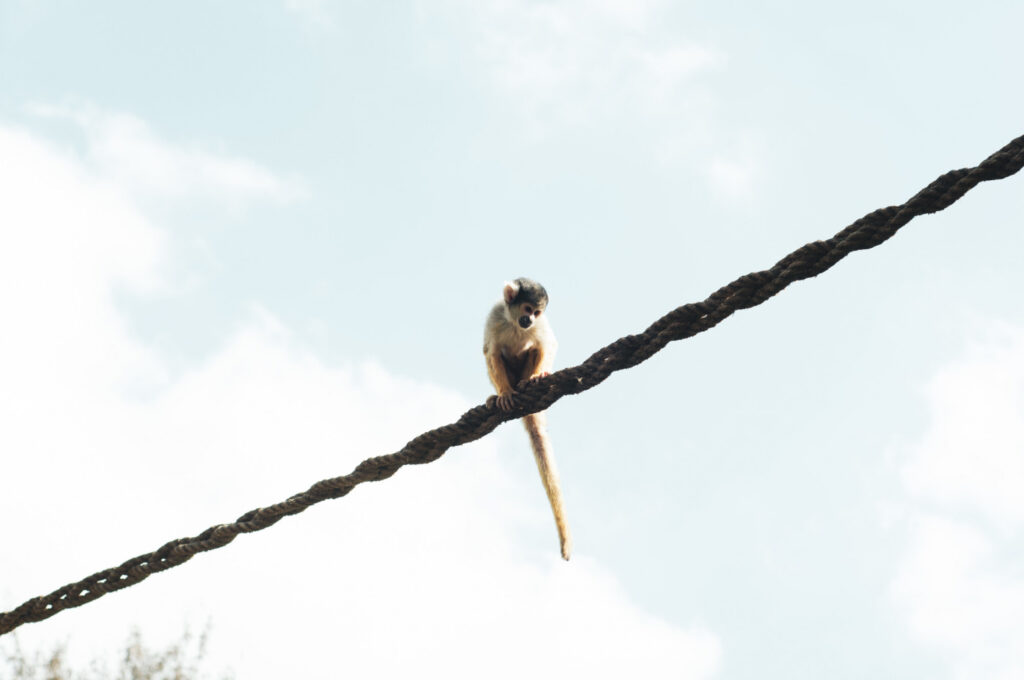
What Is Tightrope Walking?
Tightrope walking, also known as high-wire walking, is the act of balancing and walking across a suspended rope or cable. Performers rely on intense focus, balance, and years of training to master this skill.
There are two main types of tightrope walking:
- Low wire: Performed closer to the ground, usually for practice or indoor performances
- High wire: Done at great heights, often without safety nets, making it far more dangerous
This distinction is essential in understanding the level of risk and expertise involved in different performances.
The Ancient Origins of Tightrope Walking
One of the most fascinating pieces of tightrope trivia is its ancient history. Tightrope walking dates back thousands of years and was practiced in various civilizations.
In ancient China, tightrope performers were part of royal entertainment. Historical records show that acrobats would perform daring feats to impress emperors and nobles. Similarly, in ancient Greece and Rome, rope walking was included in festivals and public spectacles.
These early performers laid the foundation for what would eventually become a major attraction in circuses worldwide.
Tightrope Walking in Modern Circus Culture
Tightrope walking became widely popular during the rise of circuses in the 18th and 19th centuries. It quickly became one of the main attractions due to its combination of danger and elegance.
Circus performers often added dramatic elements to their acts, such as:
- Riding bicycles on a wire
- Performing flips and jumps
- Carrying other performers on their shoulders
These performances pushed the boundaries of what seemed humanly possible, making tightrope walking a global sensation.
Mind-Blowing Tightrope Trivia Facts
Here are some incredible tightrope trivia facts that will leave you amazed:
- Tightrope walkers use a long balancing pole to distribute weight and improve stability
- Some performers train for over a decade before attempting high-wire acts
- The rope or wire is often made of steel for durability and tension
- Wind is one of the biggest challenges for high-wire performers
- Some daredevils perform blindfolded or without safety harnesses
These facts highlight the extreme level of skill and courage required to succeed in this field.
The Science Behind Balance
Tightrope walking isn’t just about bravery—it’s deeply rooted in science. Balance plays a crucial role, and understanding how it works adds another layer to tightrope trivia.
The key concept is the center of gravity. Performers must keep their center of gravity directly above the rope to maintain balance. The long pole helps by lowering the center of gravity and increasing stability.
Other scientific factors include:
- Muscle control
- Spatial awareness
- Constant micro-adjustments
This combination of physical and mental coordination makes tightrope walking one of the most complex physical skills.
Famous Tightrope Walkers in History
Over the years, several tightrope walkers have achieved legendary status through their daring feats.
One of the most famous performances in history involved walking across massive heights without any safety net. These individuals have turned tightrope walking into an art form that blends danger with precision.
Their performances continue to inspire new generations of performers and thrill-seekers.
Record-Breaking Tightrope Walks
Another exciting aspect of tightrope trivia is the incredible records set by high-wire artists.
Some of the most impressive achievements include:
- Walking across massive canyons
- Crossing between skyscrapers
- Completing long-distance walks over waterfalls
These record-breaking stunts often require months of preparation and involve extreme risks. Yet, they continue to push the limits of human capability.
Training to Become a Tightrope Walker
Becoming a tightrope walker is not something that happens overnight. It requires years of dedication, practice, and discipline.
Training typically involves:
- Starting with low wires close to the ground
- Practicing balance and posture
- Strengthening core muscles
- Gradually increasing height and difficulty
Safety measures are also crucial during training, including harnesses and nets. Only after mastering the basics do performers attempt high-wire acts.
Risks and Safety Measures
Tightrope walking is undeniably dangerous, especially at great heights. However, professionals take several precautions to minimize risks.
Common safety measures include:
- Using safety harnesses
- Performing with nets underneath
- Checking weather conditions
- Inspecting equipment thoroughly
Despite these precautions, high-wire acts still carry significant risks, which is why they are considered extreme performances.
Tightrope Walking as a Metaphor
Interestingly, tightrope walking is often used as a metaphor in everyday life. It represents balance, risk, and the challenge of maintaining stability in difficult situations.
For example, people might say they are “walking a tightrope” when dealing with a delicate situation that requires careful decision-making.
This symbolic meaning adds depth to the concept and shows how tightrope walking has influenced language and culture.
Fun Tightrope Trivia for Beginners
If you’re new to the topic, here are some fun and easy tightrope trivia points:
- Tightrope walkers often perform barefoot for better grip
- The wire is tightly stretched to reduce movement
- Performers use their arms and body to counterbalance
- Some acts include music and theatrical elements
These small but interesting facts make tightrope walking even more fascinating.
Why Tightrope Trivia Is So Popular
Tightrope trivia has gained popularity because it combines entertainment, history, and science. People are naturally drawn to stories of risk and achievement, and tightrope walking offers both.
Additionally, with the rise of social media and video platforms, high-wire performances are more accessible than ever. This has sparked renewed interest in learning about the art and its background.
How Tightrope Walking Inspires People
Tightrope walking is more than just a performance—it’s a symbol of courage, focus, and determination. Watching someone walk across a thin wire at incredible heights inspires people to overcome their own fears.
It teaches valuable lessons such as:
- Staying focused under pressure
- Taking calculated risks
- Maintaining balance in life
These lessons resonate with audiences around the world.
Conclusion
Tightrope trivia opens the door to a world filled with excitement, history, and incredible human achievement. From its ancient origins to modern-day record-breaking feats, tightrope walking continues to captivate audiences everywhere.
Whether you’re interested in the science behind balance, the stories of legendary performers, or just fun facts to share with friends, this topic offers something for everyone.
As you’ve discovered, tightrope walking is not just about walking on a wire—it’s about pushing boundaries, embracing challenges, and achieving the extraordinary.
Also Read: E26 Bulb: The Complete Guide to America’s Most Common Light Bulb Base