
5. INTRODUCTION (150–250 words)
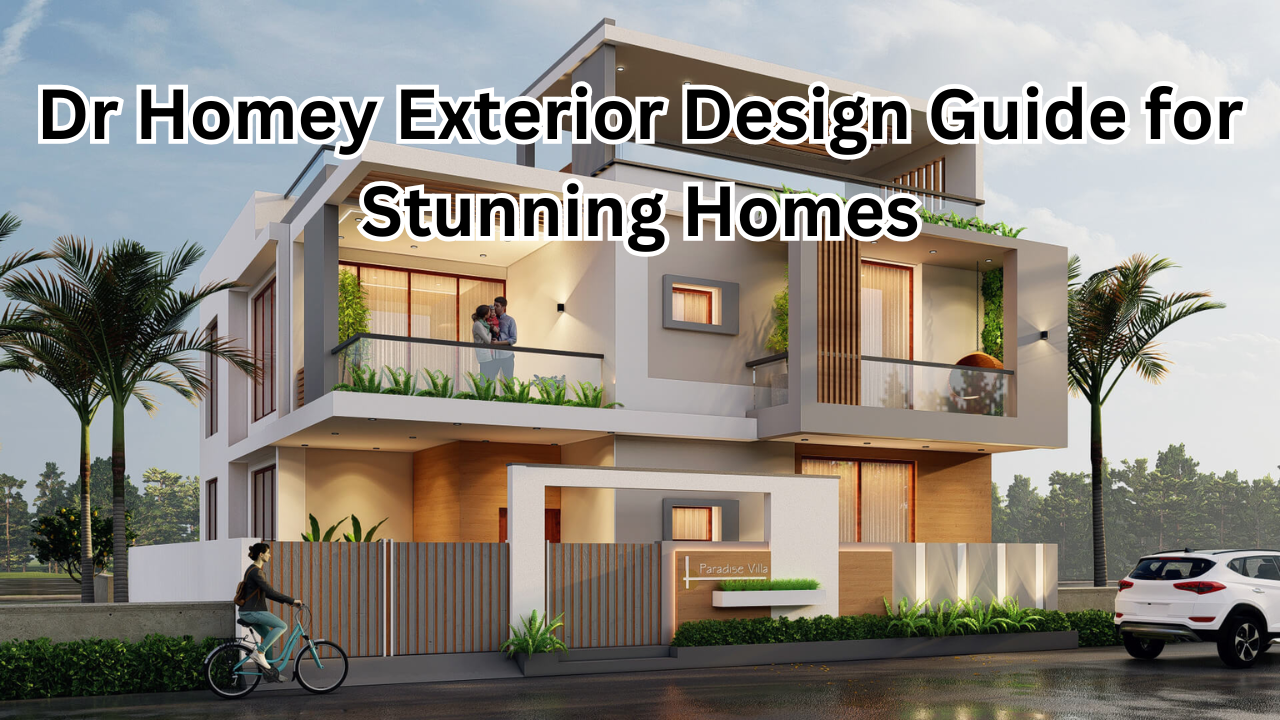
Exterior design plays a powerful role in shaping how a home is perceived, valued, and experienced. The concept of Dr Homey exterior design focuses on creating visually appealing, functional, and modern home exteriors that reflect personality while ensuring durability and comfort.
In today’s architectural world, homeowners are no longer satisfied with basic structures. They want exteriors that feel premium, welcoming, energy-efficient, and long-lasting. This is where thoughtful exterior design becomes essential.
Whether you are renovating an old house or planning a new build, understanding design principles like material selection, color harmony, lighting balance, and landscape integration can completely transform your property.
Dr Homey exterior design is not just about beauty—it also focuses on practicality. From weather resistance to space optimization, every detail matters. A well-designed exterior improves curb appeal, increases property value, and creates a strong first impression.
In this guide, we will explore everything from design principles and materials to modern trends, expert tips, and common mistakes. By the end, you will have a complete roadmap to design a home exterior that stands out and lasts for years.
6. TABLE OF CONTENTS
- What is Dr Homey Exterior Design
- Core Principles of Exterior Design
- Modern Design Styles
- Materials Used in Exterior Design
- Color Psychology in Home Exteriors
- Lighting and Visual Impact
- Landscaping Integration
- Common Mistakes
- Advanced Design Strategies
- Expert Tips
- Case Study Example
- FAQs
- Conclusion
7. MAIN CONTENT
H2: What is Dr Homey Exterior Design?
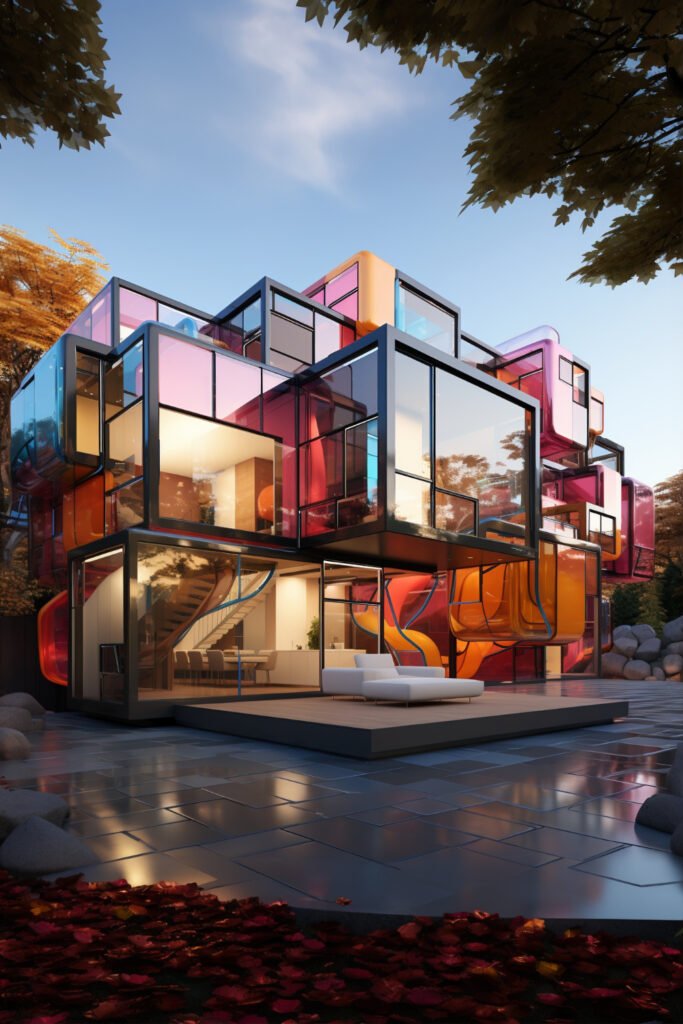
Dr Homey exterior design refers to a modern approach to home exterior planning that combines aesthetics, functionality, and durability. It focuses on creating a balanced visual identity for homes using architecture, materials, and environmental integration.
Core Explanation
It is a design philosophy where every exterior element—walls, roof, windows, lighting, and landscaping—is treated as part of a unified system.
Expert Insight
Professional designers emphasize that exterior design is not decoration—it is architectural storytelling.
Practical Example
A simple concrete house can be transformed into a modern home by adding wood textures, glass panels, and warm lighting.
Common Mistake
Ignoring proportion balance between walls, roof, and windows.
Advanced Tip
Use contrast materials (stone + glass + wood) to create depth.
Real-World Application
Urban homes often use compact design principles to maximize small spaces while maintaining beauty.
H2: Core Principles of Exterior Design
1. Balance
Symmetry or asymmetry must feel visually stable.
2. Harmony
All materials and colors should complement each other.
3. Proportion
Windows, doors, and walls must scale correctly.
4. Rhythm
Repeating patterns like windows or pillars create flow.
5. Focus Point
Every home should have a visual highlight (main door, balcony, etc.).
H2: Modern Exterior Design Styles
Minimalist Style
Clean lines, neutral colors, simple geometry.
Contemporary Style
Mixed materials, bold shapes, modern textures.
Mediterranean Style
Warm tones, arches, and natural stone.
Industrial Style
Concrete, steel, exposed finishes.
Luxury Villa Style
Glass-heavy facades, premium materials, landscape integration.
H2: Materials Used in Exterior Design
- Concrete (strong and durable)
- Wood (warm aesthetic)
- Glass (modern look)
- Stone (natural elegance)
- Metal (industrial strength)
Expert Insight
Material mixing creates visual richness and increases property value perception.
H2: Color Psychology in Home Exteriors
- White: purity and simplicity
- Grey: modern professionalism
- Brown: natural warmth
- Black: luxury and boldness
- Beige: balanced neutrality
Advanced Tip
Use a 60-30-10 color rule:
- 60% base color
- 30% secondary color
- 10% accent color
H2: Lighting and Visual Impact
Lighting transforms exterior design at night.
Types of Lighting
- Wall lights
- Landscape lights
- Pathway lights
- Accent lighting
Common Mistake
Over-lighting or uneven lighting distribution.
H2: Landscaping Integration
A strong exterior design always connects with nature.
Elements
- Grass lawns
- Trees and shrubs
- Stone pathways
- Water features
Expert Insight
Green spaces reduce visual stress and increase home value perception.
H2: Common Mistakes in Exterior Design
- Overcomplicating design
- Poor color combinations
- Ignoring climate conditions
- Weak lighting planning
- Ignoring entrance design
H2: Advanced Strategies
- Use 3D facade layering
- Integrate smart lighting systems
- Add vertical gardens
- Use energy-efficient materials
- Combine textures strategically
H2: Expert Tips
- Always design for long-term durability
- Match exterior with interior style
- Prioritize entrance impact
- Keep maintenance in mind
- Use architectural focal points
H2: Case Study Example
A standard 5-marla house was redesigned using Dr Homey exterior design principles:
- Before: plain cement finish
- After: wood + stone facade, modern lighting, landscaped garden
Result:
- 40% increase in curb appeal
- Higher property valuation
- Improved visual identity
8. COMPARISON TABLE
| Element | Traditional Design | Dr Homey Exterior Design |
|---|---|---|
| Materials | Single material | Mixed materials |
| Style | Basic | Modern & layered |
| Lighting | Minimal | Strategic & decorative |
| Value Impact | Low | High |
| Aesthetics | Simple | Premium & balanced |
9. CHECKLIST
- Balanced facade design
- Proper material selection
- Color harmony achieved
- Lighting plan created
- Landscaping included
- Entrance highlighted
- Weather durability checked
10. COMMON MISTAKES
- Ignoring architectural proportion
- Using too many colors
- Weak entrance design
- No landscaping planning
- Poor lighting placement
11. ADVANCED STRATEGIES
- Layered exterior depth design
- Smart home lighting integration
- Sustainable materials usage
- Passive cooling design elements
- Luxury facade framing techniques
12. EXPERT TIPS
- Always design with climate in mind
- Focus on first impression zone
- Keep design timeless, not trendy-only
- Invest in entrance architecture
- Balance beauty with maintenance cost
13. FAQ SECTION (15–20)
1. What is Dr Homey exterior design?
It is a modern approach to designing home exteriors with balance, style, and durability.
2. Why is exterior design important?
It improves curb appeal and increases property value.
3. Which materials are best for exterior design?
Concrete, wood, glass, stone, and metal.
4. What is the best color for home exterior?
Neutral tones like white, grey, and beige are most popular.
5. How can I improve my home exterior cheaply?
Use paint, lighting upgrades, and landscaping.
6. What is the 60-30-10 rule?
A color balance system for design harmony.
7. Is lighting important in exterior design?
Yes, it enhances night visibility and beauty.
8. What is modern exterior design style?
Clean lines, mixed materials, and minimal decoration.
9. How do I increase curb appeal?
Improve entrance, lighting, and landscaping.
10. What mistakes should I avoid?
Over-designing and poor material selection.
11. Can small houses use modern exterior design?
Yes, compact designs work very well.
12. What is the role of landscaping?
It enhances natural beauty and balance.
13. How long does exterior renovation last?
Usually 10–20 years depending on materials.
14. What is the most durable exterior material?
Concrete and stone are highly durable.
15. Does exterior design increase property value?
Yes, significantly.
14. CONCLUSION
Dr Homey exterior design is a powerful approach to transforming ordinary houses into visually stunning, functional, and high-value properties. By combining materials, colors, lighting, and landscaping strategically, homeowners can achieve a balanced and modern exterior that lasts for years.
The key takeaway is simple: exterior design is not just decoration—it is architecture, psychology, and value creation combined. Start with small improvements, focus on balance, and gradually build a cohesive design system that reflects your lifestyle and needs.
Also Read: Gnhust Games: Complete Guide, Features, Benefits, Safety, and Gaming Experience in 2026