
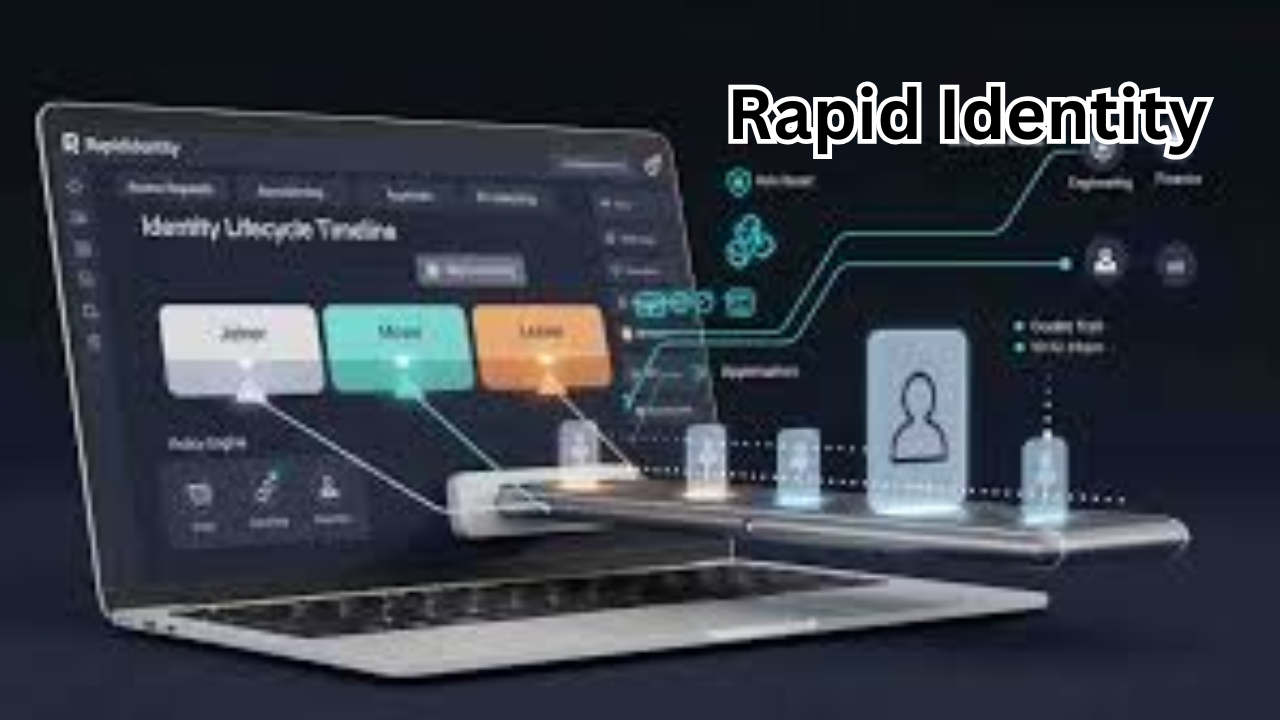
In today’s digital world, identity verification has become more important than ever. Businesses, online platforms, financial institutions, and even healthcare providers rely on quick and secure verification systems to protect users and prevent fraud. This is where rapid identity solutions come into play.
Rapid identity systems are designed to verify personal information quickly while maintaining strong security standards. Whether someone is logging into an online banking app, accessing company systems, or completing online transactions, rapid identity technologies help create a smooth and secure experience.
This article explores what rapid identity means, how it works, its benefits, challenges, and why it is becoming essential for modern businesses and users.

What Is Rapid Identity?
Rapid identity refers to fast and secure identity verification methods used to confirm a person’s identity digitally. These systems use advanced technologies such as biometrics, artificial intelligence, machine learning, and multi-factor authentication to authenticate users within seconds.
Traditional identity verification methods often required manual document checks, passwords, or in-person verification. Rapid identity systems simplify this process by automating verification while improving security.
The main goal of rapid identity solutions is to:
- Reduce fraud
- Improve user experience
- Speed up verification processes
- Protect sensitive information
- Enable secure digital access
Businesses across industries now use rapid identity platforms to streamline operations and build customer trust.
Why Rapid Identity Is Important
The internet has made online services more accessible, but it has also increased cybercrime risks. Identity theft, phishing attacks, and unauthorized access are major concerns for businesses and individuals alike.
Rapid identity systems help solve these problems by offering secure and instant verification methods.
Key Reasons Why Rapid Identity Matters
| Benefit | Description |
|---|---|
| Faster Verification | Users can confirm their identity within seconds |
| Better Security | Advanced authentication reduces fraud risks |
| Improved User Experience | Quick access improves customer satisfaction |
| Compliance Support | Helps businesses meet security regulations |
| Reduced Operational Costs | Automation lowers manual verification expenses |
As remote work, digital banking, and online shopping continue growing, the demand for rapid identity solutions is increasing worldwide.
How Rapid Identity Systems Work
Rapid identity systems combine multiple technologies to verify users securely and efficiently.
1. Biometric Authentication
Biometrics use unique physical characteristics to confirm identity. Common examples include:
- Fingerprint scanning
- Facial recognition
- Voice recognition
- Retina scanning
Because biometric data is difficult to duplicate, it provides stronger security compared to passwords alone.
2. Multi-Factor Authentication (MFA)
MFA requires users to verify identity using multiple methods. For example:
- Password
- SMS verification code
- Fingerprint scan
This layered approach significantly improves account security.
3. Artificial Intelligence and Machine Learning
AI helps analyze user behavior and detect suspicious activity. Machine learning systems continuously improve by learning from previous data and fraud attempts.
4. Document Verification
Some rapid identity systems scan government-issued IDs such as passports or driver’s licenses. AI tools verify the authenticity of documents within seconds.
5. Behavioral Analytics
Behavioral analytics track how users interact with systems. Typing patterns, mouse movement, and device usage can help identify unusual behavior.
Industries Using Rapid Identity Solutions
Rapid identity technologies are now widely used across different industries.
Banking and Financial Services
Banks use rapid identity systems to:
- Prevent account fraud
- Verify customers during account creation
- Secure online transactions
- Meet compliance requirements
Digital banking platforms especially rely on fast verification to improve customer onboarding.
Healthcare
Healthcare providers use identity verification to protect patient information and prevent unauthorized access to medical records.
Rapid identity systems also support telemedicine platforms by securely verifying patients online.
Education
Educational institutions use rapid identity systems for:
- Online exams
- Student portals
- Campus security
- Digital learning platforms
This helps maintain academic integrity and secure access to educational resources.
E-Commerce
Online retailers use rapid identity verification to reduce payment fraud and protect customer accounts.
Secure checkout systems improve customer confidence and lower chargeback risks.
Corporate Workplaces
Businesses use rapid identity tools to manage employee access to:
- Company systems
- Remote work platforms
- Sensitive files
- Secure facilities
This is especially important in remote and hybrid work environments.
Advantages of Rapid Identity Solutions
Rapid identity systems offer many benefits for businesses and users alike.
Enhanced Security
Traditional passwords alone are no longer enough. Rapid identity technologies provide stronger protection against hacking and identity theft.
Faster User Access
People expect quick digital experiences. Instant identity verification improves convenience and reduces waiting times.
Better Customer Trust
Users are more likely to trust businesses that prioritize security and privacy.
Reduced Fraud
Advanced verification tools detect suspicious behavior early and prevent fraudulent activities.
Scalability
Rapid identity systems can support businesses of all sizes, from startups to global enterprises.
Challenges of Rapid Identity Systems
Despite their advantages, rapid identity technologies also face several challenges.
Privacy Concerns
Biometric data and personal information must be handled carefully. Users often worry about how their data is stored and used.
Businesses must follow privacy regulations and maintain transparent data policies.
Cybersecurity Threats
Although rapid identity systems improve security, cybercriminals continuously develop new attack methods.
Companies must regularly update their systems to stay protected.
False Positives and Errors
Facial recognition and AI systems may occasionally produce inaccurate results. This can lead to access issues or verification delays.
Improving accuracy remains a major focus for technology providers.
Cost of Implementation
Advanced identity verification systems may require significant investment, especially for small businesses.
However, many organizations view this as a worthwhile long-term investment due to reduced fraud losses.
The Role of AI in Rapid Identity Verification
Artificial intelligence has transformed identity verification systems.
AI-powered rapid identity tools can:
- Detect fake documents
- Analyze suspicious login patterns
- Recognize deepfake attempts
- Improve biometric matching accuracy
- Automate verification workflows
As AI technology evolves, rapid identity systems are becoming smarter and more reliable.
Rapid Identity and Remote Work
The rise of remote work has increased the need for secure digital identity solutions.
Employees now access company systems from different devices and locations. Rapid identity systems help organizations:
- Verify remote workers securely
- Prevent unauthorized access
- Protect sensitive company data
- Simplify login processes
Single sign-on (SSO) and multi-factor authentication have become essential tools for remote workforce security.
Future Trends in Rapid Identity Technology
The future of rapid identity systems looks highly promising.
Passwordless Authentication
More organizations are moving toward password-free systems using biometrics and secure authentication apps.
Decentralized Identity
Blockchain technology may allow users to control their own digital identities without relying on centralized databases.
Improved Biometric Security
Future biometric systems are expected to become more accurate and resistant to spoofing attempts.
AI-Driven Fraud Prevention
Advanced AI models will continue improving fraud detection capabilities in real time.
Seamless User Experiences
Future rapid identity systems will focus on balancing strong security with frictionless user experiences.
Best Practices for Businesses Using Rapid Identity Systems
Organizations implementing rapid identity solutions should follow these best practices:
- Use multi-factor authentication
- Encrypt sensitive data
- Regularly update security systems
- Educate employees about cybersecurity
- Follow privacy and compliance regulations
- Monitor suspicious activities continuously
A proactive security approach helps maximize the effectiveness of rapid identity technologies.
Common Misconceptions About Rapid Identity
Many people misunderstand how rapid identity systems work.
“Biometrics Are Not Safe”
Modern biometric systems use encryption and secure storage methods to protect user data.
“Rapid Identity Is Only for Large Companies”
Today, businesses of all sizes can access affordable cloud-based identity verification solutions.
“Passwords Are Enough”
Passwords alone are vulnerable to hacking and phishing attacks. Multi-layered verification provides much stronger security.
FAQs About Rapid Identity
What does rapid identity mean?
Rapid identity refers to fast and secure digital identity verification methods that authenticate users quickly using technologies like biometrics and AI.
Is rapid identity secure?
Yes, most rapid identity systems use advanced encryption, multi-factor authentication, and AI-powered fraud detection to improve security.
Where is rapid identity used?
Rapid identity solutions are commonly used in banking, healthcare, education, e-commerce, and corporate workplaces.
Can rapid identity reduce fraud?
Yes, rapid identity systems help detect suspicious activity and prevent unauthorized access, reducing fraud risks significantly.
What technologies are used in rapid identity systems?
Common technologies include biometrics, artificial intelligence, machine learning, document verification, and behavioral analytics.
Is rapid identity the future of online security?
Yes, rapid identity technologies are expected to play a major role in future digital security systems as online interactions continue growing.
Final Thoughts
Rapid identity solutions are transforming the way people and businesses verify digital identities. As cyber threats continue evolving, fast and secure authentication systems have become essential for protecting sensitive information and improving online experiences.
From banking and healthcare to education and remote work, rapid identity technologies help organizations enhance security while offering users faster and more convenient access.
As technology advances further, rapid identity systems will likely become even more intelligent, seamless, and widely adopted. Businesses that invest in strong identity verification today will be better prepared for the digital challenges of tomorrow.
Also Read: UploadArticle Guest Posting.com: A Smart Platform for SEO and Online Growth