
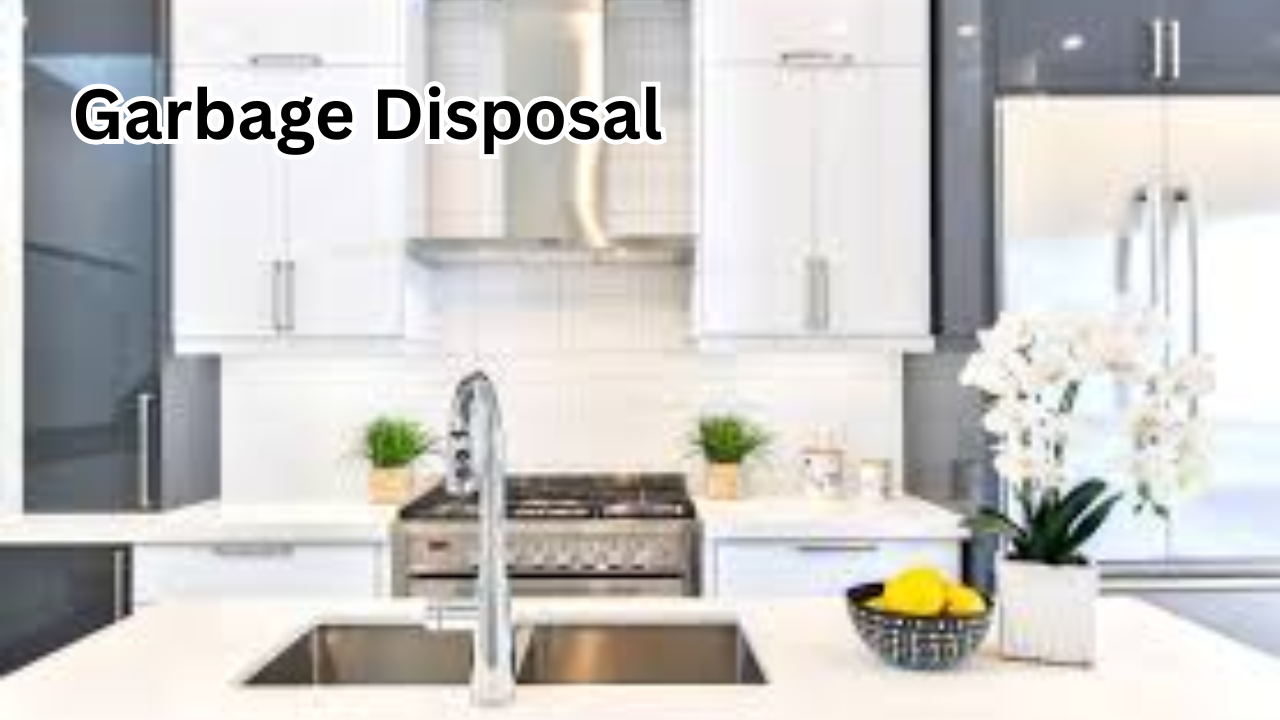
Introduction to Garbage Disposal
Garbage disposal systems have become an essential part of modern kitchens, offering a convenient and eco-friendly way to manage food waste. Instead of throwing organic scraps into the trash, a garbage disposal unit allows homeowners to grind and flush waste through the plumbing system. This not only reduces household waste but also helps maintain a cleaner and more hygienic kitchen environment.
With increasing awareness about sustainability and waste reduction, garbage disposal units are gaining popularity worldwide. In this comprehensive guide, we will explore everything you need to know about garbage disposal—from how it works to its benefits, installation tips, maintenance practices, and common mistakes to avoid.
What Is a Garbage Disposal?
A garbage disposal is an electrically powered device installed under a kitchen sink. It is designed to shred food waste into tiny particles that can safely pass through plumbing pipes. The system typically connects to the sink drain and operates with the push of a button or switch.
Inside the unit, sharp blades or impellers grind food scraps into fine pieces. Water flow helps carry the particles through the pipes and into the sewage system. This process eliminates the need for storing food waste in bins, reducing odors and pest problems.
How Garbage Disposal Works
Understanding how a garbage disposal works can help you use it more efficiently and avoid potential issues. When you turn on the unit, a motor spins a grinding plate at high speed. Food waste is pushed against the walls of the grinding chamber by centrifugal force.
Instead of traditional cutting blades, most modern units use impellers to pulverize waste. The ground particles are then flushed away with water. This system ensures smooth operation while minimizing the risk of clogs.
Water plays a crucial role in the process. Running cold water while using the disposal helps solidify grease and ensures efficient grinding. It also helps move waste through the pipes without causing buildup.
Benefits of Using Garbage Disposal
Garbage disposal units offer numerous advantages that make them a valuable addition to any kitchen.
One of the primary benefits is convenience. You can quickly get rid of food scraps without making frequent trips to the trash bin. This saves time and effort, especially in busy households.
Another major advantage is improved hygiene. By reducing food waste in garbage bins, you minimize unpleasant odors and discourage pests such as insects and rodents.
Garbage disposal also supports environmental sustainability. When food waste is processed through wastewater treatment systems, it can be converted into energy or fertilizer. This reduces landfill waste and contributes to a greener environment.
Additionally, it helps keep plumbing systems cleaner by preventing large food particles from accumulating in pipes.
Types of Garbage Disposal Units
There are two main types of garbage disposal systems available in the market.
Continuous feed models are the most common and widely used. They operate as long as the switch is turned on, allowing you to add waste continuously. These are convenient and ideal for everyday use.
Batch feed models, on the other hand, require a cover to be placed over the unit before operation. They are generally considered safer, as the system won’t run unless properly sealed. This makes them a good choice for households with children.
Choosing the right type depends on your needs, preferences, and safety considerations.
Installation Process of Garbage Disposal
Installing a garbage disposal unit can be a straightforward process if you have basic plumbing knowledge. However, professional installation is recommended for best results.
The process begins with removing the existing drain assembly and preparing the sink opening. The mounting bracket is then installed to hold the disposal unit securely in place.
Next, the unit is connected to the drain pipe and dishwasher hose, if applicable. Electrical connections are made according to safety standards. Once everything is secured, the system is tested for leaks and proper operation.
Proper installation ensures the unit works efficiently and lasts longer without issues.
Maintenance Tips for Garbage Disposal
Regular maintenance is essential to keep your garbage disposal functioning effectively.
One simple practice is to run cold water before, during, and after using the unit. This helps flush out debris and prevents buildup.
Cleaning the disposal regularly can also improve performance. You can use natural cleaners like baking soda and vinegar to remove odors and residue. Grinding ice cubes occasionally helps sharpen the impellers and clean the chamber.
Avoid overloading the unit with large amounts of waste at once. Instead, feed small portions gradually for smoother operation.
Routine checks for leaks or unusual noises can help detect problems early and prevent costly repairs.
Common Problems and Solutions
Like any appliance, garbage disposal units may encounter issues over time.
Clogging is one of the most common problems. It usually occurs when non-food items or fibrous materials are introduced into the system. To fix this, you can use a plunger or manually remove the blockage after turning off the unit.
Another issue is jamming. This happens when hard objects get stuck in the grinding chamber. Most units come with a reset button or a hex key slot to manually rotate the motor and free the jam.
Leaks can develop due to loose connections or worn-out seals. Tightening fittings or replacing damaged parts can resolve the issue.
If the unit fails to turn on, checking the power supply and reset button is a good starting point.
What Not to Put in Garbage Disposal
To ensure longevity and efficient performance, it is important to avoid putting certain items into your garbage disposal.
Fibrous foods like celery, corn husks, and onion skins can wrap around the impellers and cause jams. Grease and oil should also be avoided, as they can solidify and clog pipes.
Hard items such as bones, fruit pits, and shells can damage the grinding mechanism. Non-food materials like plastic, metal, and glass should never be introduced into the unit.
Being mindful of what goes into your garbage disposal can significantly extend its lifespan.
Environmental Impact of Garbage Disposal
Garbage disposal units play a significant role in reducing household waste. By diverting food scraps from landfills, they help lower methane emissions—a major contributor to climate change.
Wastewater treatment plants can process organic waste into biogas and fertilizers, making garbage disposal an environmentally friendly option.
However, excessive use without proper water flow can strain plumbing systems and water resources. Therefore, responsible usage is key to maximizing environmental benefits.
Choosing the Best Garbage Disposal for Your Home
Selecting the right garbage disposal depends on several factors.
Motor power is an important consideration. Units with higher horsepower can handle tougher food waste more efficiently. For small households, a 1/2 horsepower unit may suffice, while larger families may benefit from 3/4 or 1 horsepower models.
Noise level is another factor. Advanced models come with sound insulation features for quieter operation.
Durability and build quality also matter. Stainless steel components tend to last longer and resist corrosion.
Warranty and brand reputation can provide additional assurance of quality and reliability.
Safety Tips for Using Garbage Disposal
Safety should always be a priority when using a garbage disposal unit.
Never insert your hand into the disposal while it is connected to power. If you need to remove an object, disconnect the unit first.
Use tongs or pliers to retrieve items instead of reaching inside. Always ensure the unit is turned off before performing any maintenance.
Keep children away from the disposal and educate them about safe usage practices.
Following these precautions can prevent accidents and ensure safe operation.
Future of Garbage Disposal Technology
Advancements in technology are shaping the future of garbage disposal systems. Modern units are becoming more energy-efficient, quieter, and capable of handling a wider range of waste materials.
Smart garbage disposals with sensors and automation features are also emerging. These innovations aim to improve convenience, reduce energy consumption, and enhance sustainability.
As environmental concerns continue to grow, garbage disposal systems are expected to play a crucial role in waste management solutions.
Conclusion
Garbage disposal units are a practical and efficient solution for managing kitchen waste. They offer convenience, improve hygiene, and contribute to environmental sustainability.
By understanding how they work and following proper usage and maintenance practices, you can maximize their benefits and extend their lifespan. Choosing the right unit and using it responsibly ensures a cleaner kitchen and a greener planet.
Whether you are upgrading your kitchen or looking for better waste management options, investing in a garbage disposal system is a smart and forward-thinking decision.
Also Read: Is Amazon Flex Worth It? A Complete Guide for Drivers in 2026